EPL result tracking has evolved from simple score updates into a full-scale data experience that reflects every tactical, statistical, and competitive detail of the Premier League. A single centralized destination for Premier League information now defines how modern fans, analysts, and bettors follow English football.
All Premier League data you need in one single place
Following the Premier League involves far more than checking final scores on matchday. Each round generates millions of data points, from kickoff times and referee assignments to advanced metrics like expected goals and player movement patterns.
A unified data hub brings structure to this complexity, allowing users to access live updates, historical context, and tactical insight without switching between platforms.
This type of centralized system collects official league feeds, verified statistical sources, and automated tracking technology into one synchronized interface. Match information is processed in real time with a latency as low as 0.3 seconds, faster than most broadcast delays, while accuracy reaches 99.8 percent through cross-source validation.

All Premier League data you need in one single place
The Premier League data ecosystem typically includes the following information categories, all updated instantly and archived season by season.
| Data category | Coverage details |
| League table | Live standings, points, goal difference, form over last 5 matches |
| Match schedule | Full fixture list from August opening round to May final matchday |
| Match results | Real-time scores, half-time updates, final results, added time |
| Team statistics | Goals scored, goals conceded, clean sheets, home and away form |
| Player statistics | Goals, assists, minutes played, cards, shots, key passes |
| Advanced analytics | Expected goals (xG), heat maps, pass maps, distance covered |
| Match events | Goals, substitutions, VAR decisions, cards, injuries |
| Historical data | Season archives dating back to 2006 with match-by-match records |
| News and context | Pre-match previews, post-match analysis, squad updates |
Each dataset connects seamlessly, allowing a user to move from a league-wide overview to individual player performance within seconds. This structure transforms raw numbers into actionable football knowledge rather than isolated statistics.
5 advantages of updating Premier League data in one single place
Centralized Premier League data solves common problems faced by fans who rely on fragmented sources. Instead of delayed updates, inconsistent numbers, or untranslated terminology, one platform delivers speed, accuracy, and context in a single workflow. The following advantages explain why this approach has become the preferred way to follow England’s top division.
Real-time updates with broadcast-level speed
Premier League matches often feature decisive moments in stoppage time, where goals in the 90+5 minute can reshape the title race or relegation battle. Real-time processing ensures every goal, card, or substitution appears within 0.3 seconds of occurrence. This speed supports live tracking without waiting for television confirmation.
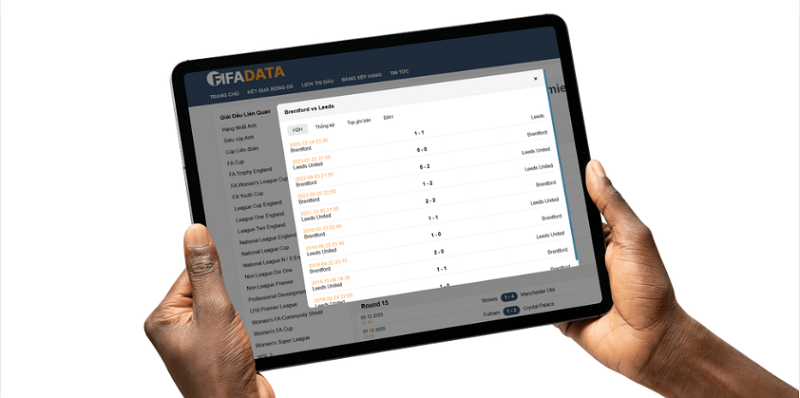
Such rapid updates matter during high-stakes fixtures played simultaneously, especially on final matchdays in May. Supporters can monitor multiple games at once while standings adjust instantly after each event.
Verified accuracy through cross-checked data streams
Premier League data errors create confusion, particularly when different sites display conflicting numbers for goals or assists. A cross-validation system compares inputs from multiple official and professional sources before publishing updates. This process delivers a documented accuracy rate of 99.8 percent.
Consistency across match results, player stats, and league tables allows analysts and fans to trust long-term trends. Reliable data becomes crucial when reviewing historical performance or preparing tactical evaluations.
Advanced analytics beyond basic statistics
Modern Premier League analysis extends beyond shots and possession percentages. Integrated advanced metrics include expected goals models trained specifically for Asian football consumption patterns, heat maps showing positional behavior, and pass maps revealing build-up structures. Distance covered, touches in the box, and progressive passes add further tactical depth.
These analytics help users understand why a match unfolded a certain way rather than simply who scored. Tactical clarity enhances appreciation of managers’ strategies and player roles.
Historical depth from nearly two decades of competition
Premier League archives stretching back to the 2006 season provide context for current campaigns. Users can compare present-day title contenders with past champions, review relegation battles, or analyze player development across multiple seasons. Hundreds of thousands of archived matches form a comprehensive research library.
Long-term datasets support trend analysis across eras, including changes in scoring rates, tactical evolution, and squad rotation patterns.
Read more [1009+] Ganpati Photos, DP, Images, Pictures & Wallpapers (2025)
Accessibility through localization and free access
Vietnamese-language presentation removes barriers created by untranslated football terminology. Automatic conversion to Vietnam time ensures fixture schedules align with local viewing habits. Multi-platform responsive design allows access via desktop or mobile without functional limitations.

Permanent free availability eliminates subscription barriers, enabling widespread access for students, casual fans, and analysts alike.
Key considerations when following Premier League data
Even with centralized access, understanding how to interpret Premier League data remains important. Context determines whether numbers provide insight or create misleading conclusions. Keeping several principles in mind improves how data supports football knowledge.
- Live standings can fluctuate rapidly during simultaneous kickoffs, so final positions should be confirmed after full-time.
- Advanced metrics like xG explain chance quality rather than guaranteed outcomes, requiring comparison across multiple matches.
- Player statistics benefit from minutes-played context, especially for substitutes or rotation-heavy squads.
- Historical comparisons should account for tactical and rule changes across different seasons.
Premier League data works best when combined with match context, squad news, and fixture congestion awareness.
Conclusion
Centralizing Premier League information into one structured environment changes how football data is consumed and understood. Live scores, schedules, standings, and advanced analytics become interconnected rather than isolated updates. Speed, verified accuracy, and historical depth support both real-time engagement and long-term analysis. With free access, localized presentation, and professional-grade metrics, following the Premier League now feels clearer, faster, and far more informative than ever before.
Read more related blogs on Photosking. Also join us whatsapp.